
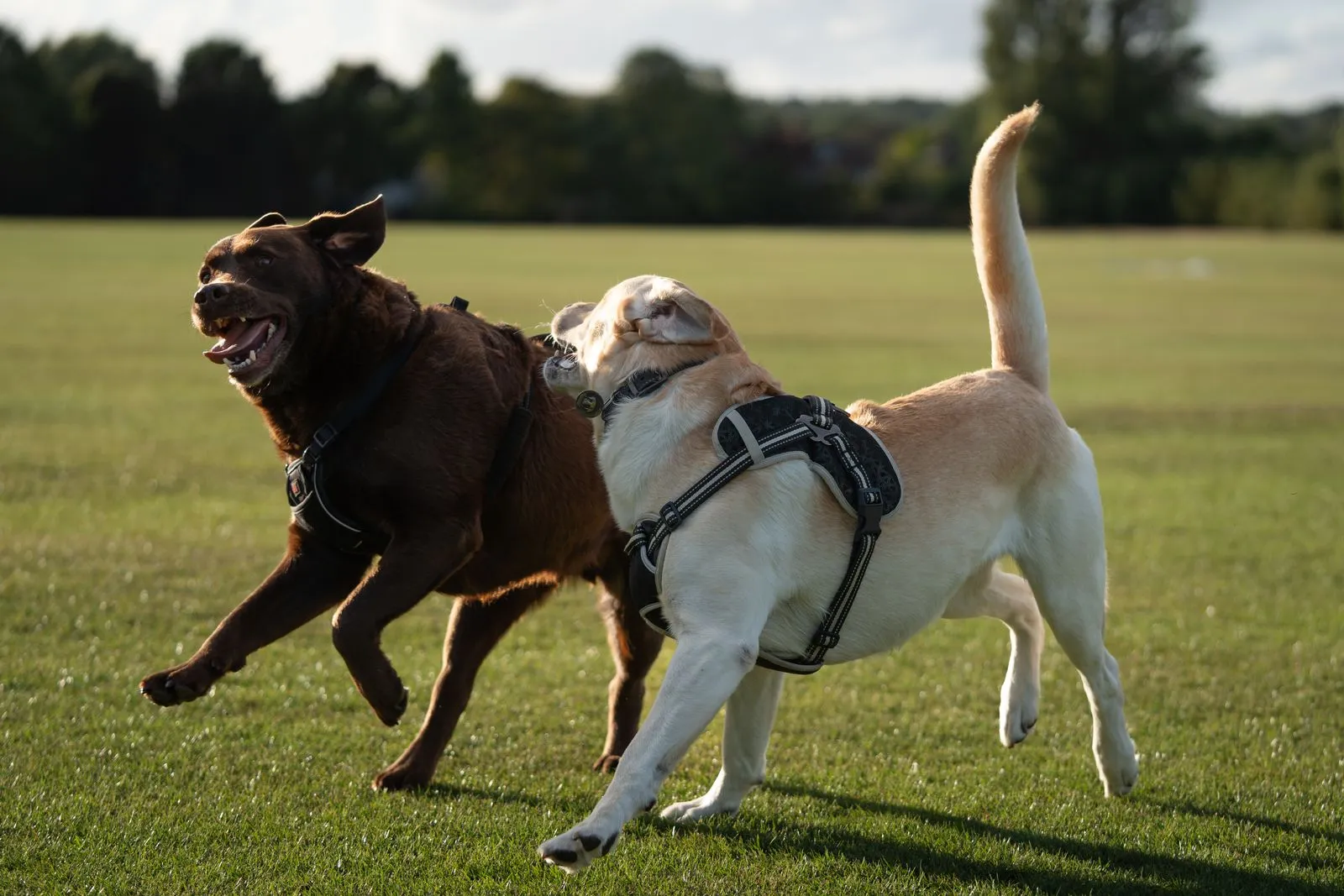
Dog daycare can give some dogs a safe place to play, explore, and spend time with people while their owners are busy. But it is not the best match for every dog, and enjoying walks or meeting a neighbor’s dog does not automatically mean your pet will enjoy a group setting. Consider how your dog interacts, handles stimulation, and adapts to unfamiliar places. These signs can help you decide whether to try daycare, ask more questions, or choose a different kind of care.
Look at Your Dog’s Social Style
Notice how your dog responds to other dogs in different situations. A good candidate may show relaxed body language, take breaks from play, and respond when another dog signals that it needs space. Your dog does not have to greet every dog enthusiastically; calm, polite interest can be a better sign than nonstop excitement.
A dog who hides, stiffens, growls, snaps, or repeatedly tries to escape may find group care stressful. These behaviors do not make a dog bad, but they do mean a busy playgroup may not be the right starting point. Ask a qualified trainer or your veterinarian for guidance before introducing group daycare if your dog has a history of fear or conflict with other dogs.
Match Activity to Their Energy
Think about how your dog feels after exercise and social time. Dogs who enjoy active play and can settle afterward may appreciate a day with planned movement and rest. A dog who becomes frantic, mouthy, or overwhelmed as activity continues may need shorter play periods, smaller groups, or more quiet time.
Ask a daycare how it balances activity with rest and what staff do when a dog needs a break. Supervised enrichment can include sniffing, simple problem-solving games, and individual attention—not just play with other dogs. The best program adapts activities to each dog rather than expecting every dog to keep up with the group.
Consider New-Setting Comfort
Some dogs enter unfamiliar places, take a moment to look around, then begin exploring. Others stay tense, refuse treats, cling to their person, or struggle to settle. Watch your dog’s response to new people, indoor spaces, and ordinary background sounds. Their ability to recover after a surprise can tell you more than initial excitement.
A gradual introduction gives you and the daycare staff a clearer picture. Ask whether the facility offers a brief visit or trial introduction before a full day. Share useful details about your dog’s routines, fears, handling preferences, and cues. Follow up after the visit and look for changes at home, such as unusual tiredness, reluctance to return, or difficulty settling.
Check the Supervision and Routine
Daycare should have a clear plan for supervision, introductions, rest, and separating dogs when needed. Ask how staff group dogs, monitor play, respond to stress, and communicate concerns. Find out what happens if a dog is injured or becomes ill, and whether staff can accommodate your dog’s individual needs.
A facility tour can help you assess cleanliness, secure entry points, noise, and available rest areas. A strong match is not simply a place that keeps your dog busy; it is a setting where staff notice behavior and adjust the day accordingly. If the answers feel vague or your dog appears uncomfortable during a visit, consider a dog walker, in-home sitter, or one-on-one enrichment instead.
Daycare may suit your dog if they can engage comfortably, manage activity, and recover from new experiences—with staff who provide attentive supervision and rest. Start with questions and a gradual introduction, then judge the fit by your dog’s behavior before and after visits. If you are exploring options in Charleston, Lowcountry Dog Club can help you learn about its enrichment-focused approach.